
Getinge
Cardiac output, calibrated.
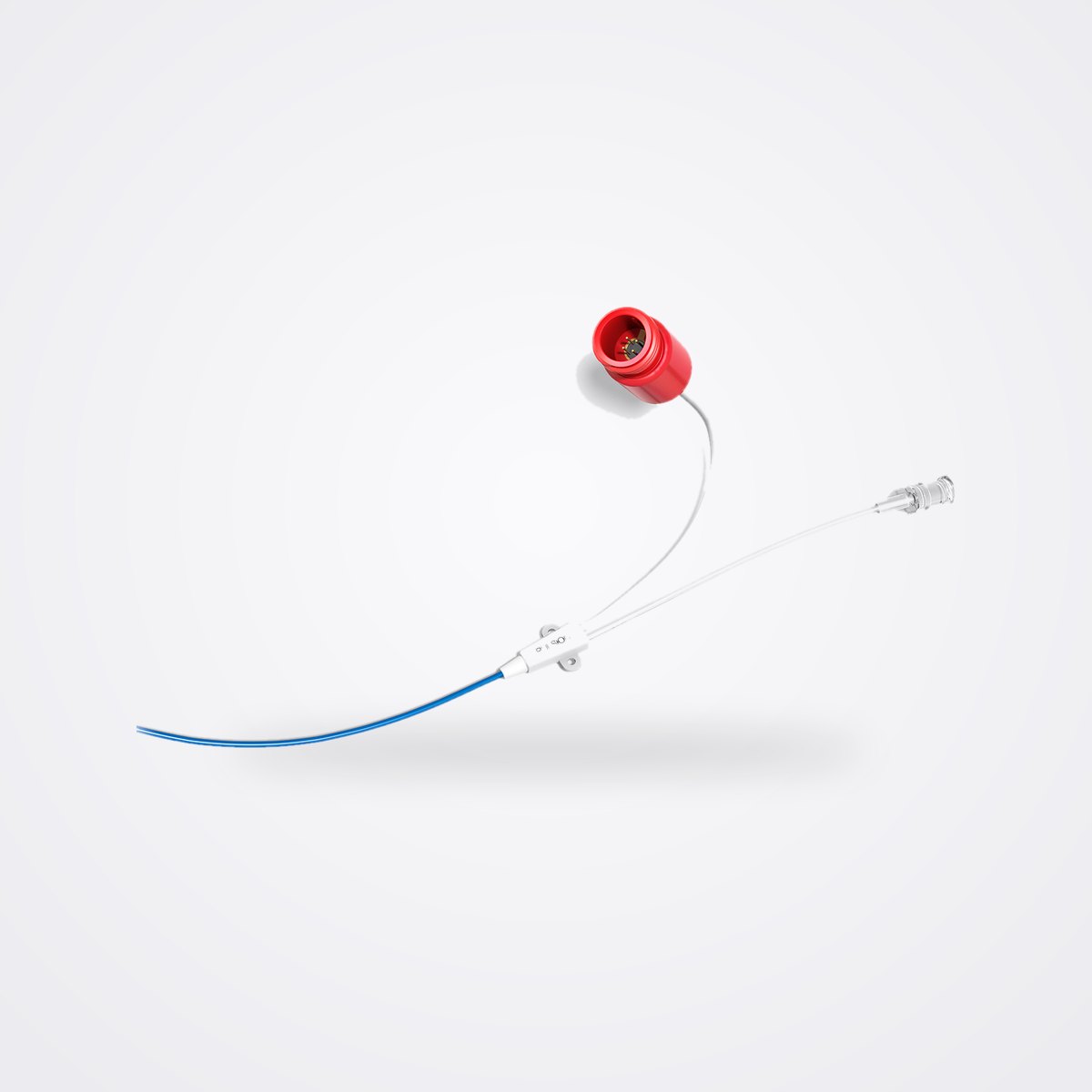
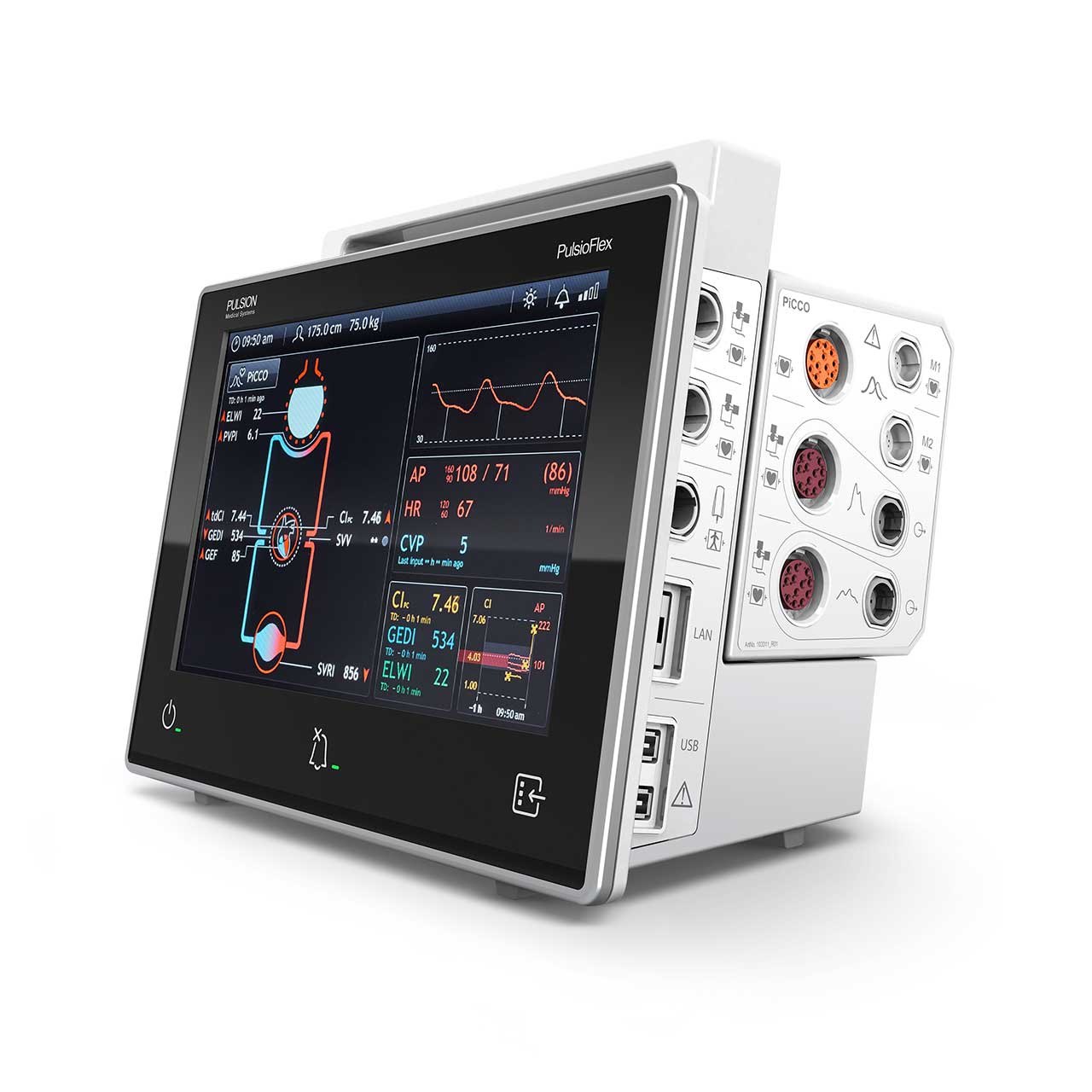
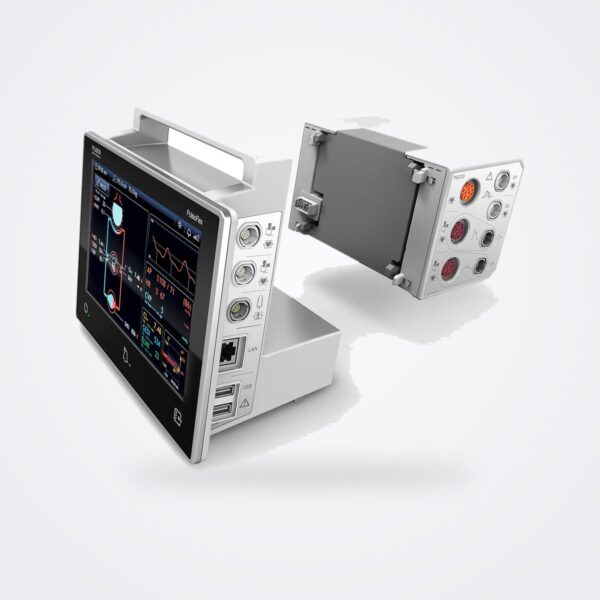
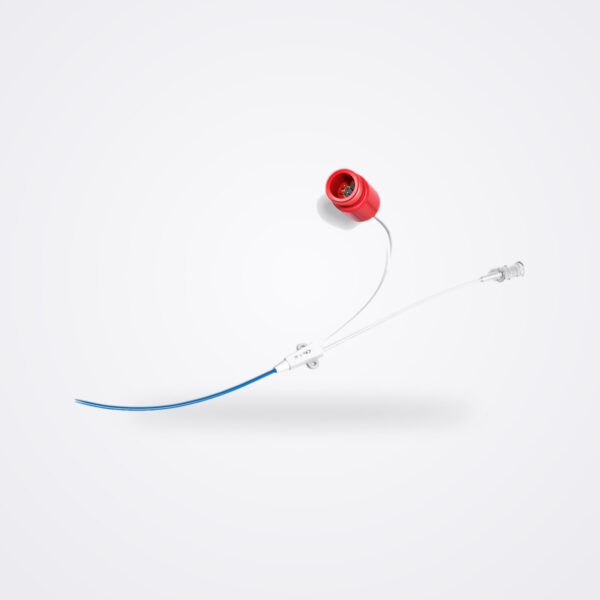
PiCCO, developed by Pulsion Medical Systems in Munich and introduced in 1997, uses a PiCCO arterial thermodilution catheter, usually in the femoral artery, together with a standard central venous catheter. A cold saline bolus, for example 15 ml, is injected centrally and detected by the arterial catheter; about three injections within 10 minutes calibrate the continuous pulse contour analysis and give GEDI, ELWI, GEF and CFI. Between calibrations, cardiac output, stroke volume, SVV, PPV, SVRI and dPmx are tracked beat by beat. PiCCO runs on the PulsioFlex monitor with the PiCCO module and as integrated modules for Philips IntelliVue and other patient monitors.
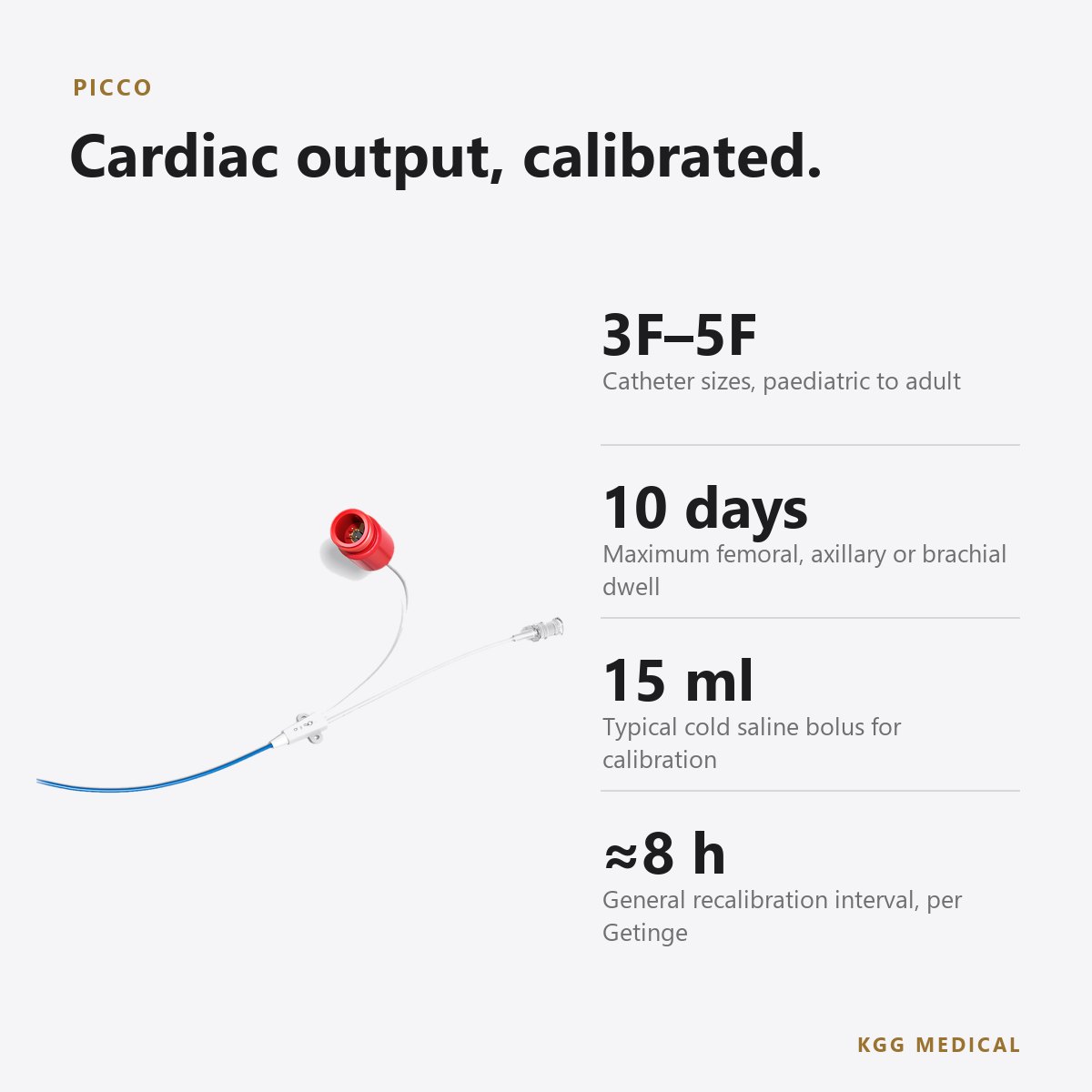
Key specifications
Why the PiCCO
Calibrated, then continuous
Transpulmonary thermodilution sets an individual calibration factor; the PiCCO pulse contour algorithm then follows cardiac output and stroke volume beat by beat until the next set of boluses.
Lung water at the bedside
Extravascular lung water index (ELWI) and PVPI quantify pulmonary oedema directly. Getinge cites studies showing ELWI detects oedema more sensitively than chest X-ray, allowing earlier intervention.
Preload as a volume
GEDI gives a volumetric preload measure instead of filling pressures, while SVV and PPV indicate volume responsiveness, helping decide between fluids, vasopressors and inotropes.
Less invasive
PiCCO needs an arterial catheter and a standard central venous line, with no right-heart catheter. Getinge describes it as a widely accepted, less invasive alternative to the pulmonary artery catheter.
A catheter for each site
Femoral 5F 20 cm for adults, axillary, brachial and long radial 4F options where the groin is unavailable, and a 3F 7 cm catheter for children, each supplied with a Seldinger insertion set.
Where it is used
Surgical, medical, cardiac, neurological, paediatric and burns ICUs, and high-risk surgery. Getinge lists septic, cardiogenic and traumatic shock, ARDS, severe burns and pancreatitis among the main indications.
In the box
PiCCO Kit: PiCCO arterial thermodilution catheter with Seldinger insertion instruments (guide wire, cannula, dilator) and PiCCO Monitoring Kit with injectate temperature sensor housing and pressure transducer, sterile, single use. The PiCCO Module, cables and monitor are ordered separately. Catheter size, box quantity and kit combination are confirmed with the quotation.
Clearance & compliance
PiCCO module CE marked according to Directive 93/42/EEC (getinge.com) · PiCCO catheter class IIa medical device, CE 0123 (Getinge press release, 2 Sep 2024) · FDA status not checked. Supplied subject to registration in each destination country (MOHAP, DoH, DHA, SFDA or the equivalent authority). Certificates, declarations of conformity, IFUs and registration documents are provided with every quotation. Specifications are indicative and subject to manufacturer change.
Where a country has an official agent or authorised distributor, we source the item through it — or directly from the manufacturer if necessary. Product names, trademarks and images belong to their respective owners.
Questions
Is the PiCCO available in the UAE and the GCC?
KGG sources the PiCCO on request for intensive care units, cardiac centres and operating theatres in the UAE, Saudi Arabia, Qatar, Kuwait, Bahrain and Oman, supplied subject to registration in each destination country. Availability is confirmed with each quotation.
How do I get a price?
Add it to your quote list or use Request a quote. We reply with pricing, lead time and the documents for your country, for catheters by size and box, PiCCO Kits, monitoring kits, cables and the PiCCO Module.
What do I need besides the PiCCO catheter?
A standard central venous catheter, a PiCCO Monitoring Kit (pressure transducer), the injectate temperature sensor housing, connection cables, and a monitor running PiCCO: the PulsioFlex with PiCCO Module, the Pulsiocare, or a compatible OEM module such as Philips IntelliVue.
How often does PiCCO need to be calibrated?
Each calibration is about three cold boluses within 10 minutes. Getinge suggests about every 8 hours in general, hourly in shock, and again whenever the patient's condition or catecholamine and fluid therapy change significantly.
Can PiCCO be used in children?
Yes, with the 3F 7 cm catheter in the femoral artery. Getinge recommends it from about 10 kg body weight, with injectate adjusted to weight (minimum 2 ml). Adult normal ranges apply only from about five years of age, so younger children are followed mainly by trend.
How does PiCCO differ from ProAQT?
ProAQT gives a cardiac output trend from a standard arterial line using the PiCCO pulse contour algorithm, started from an internal or external value. PiCCO adds thermodilution calibration through its own arterial catheter and measures preload (GEDI) and lung water (ELWI).
Request a quote
Get pricing for the PiCCO.
Tell us the quantity, delivery city and whether you are ordering for a facility, a team or a patient. We reply with pricing, lead time and the regulatory documents for your country.
 English
 العربية