
The Gulf Sells the Oil, Then Buys It Back as Syringes. 2026 Made That Too Expensive

Newsroom  /  Articles

Articles

The Gulf Sells the Oil, Then Buys It Back as Syringes. 2026 Made That Too Expensive

This year’s oil shock has raised the cost of the medical plastics the region exports as raw material and imports as finished consumables. The case for making them locally has never been stronger.

By KGG Communications · 4 min read

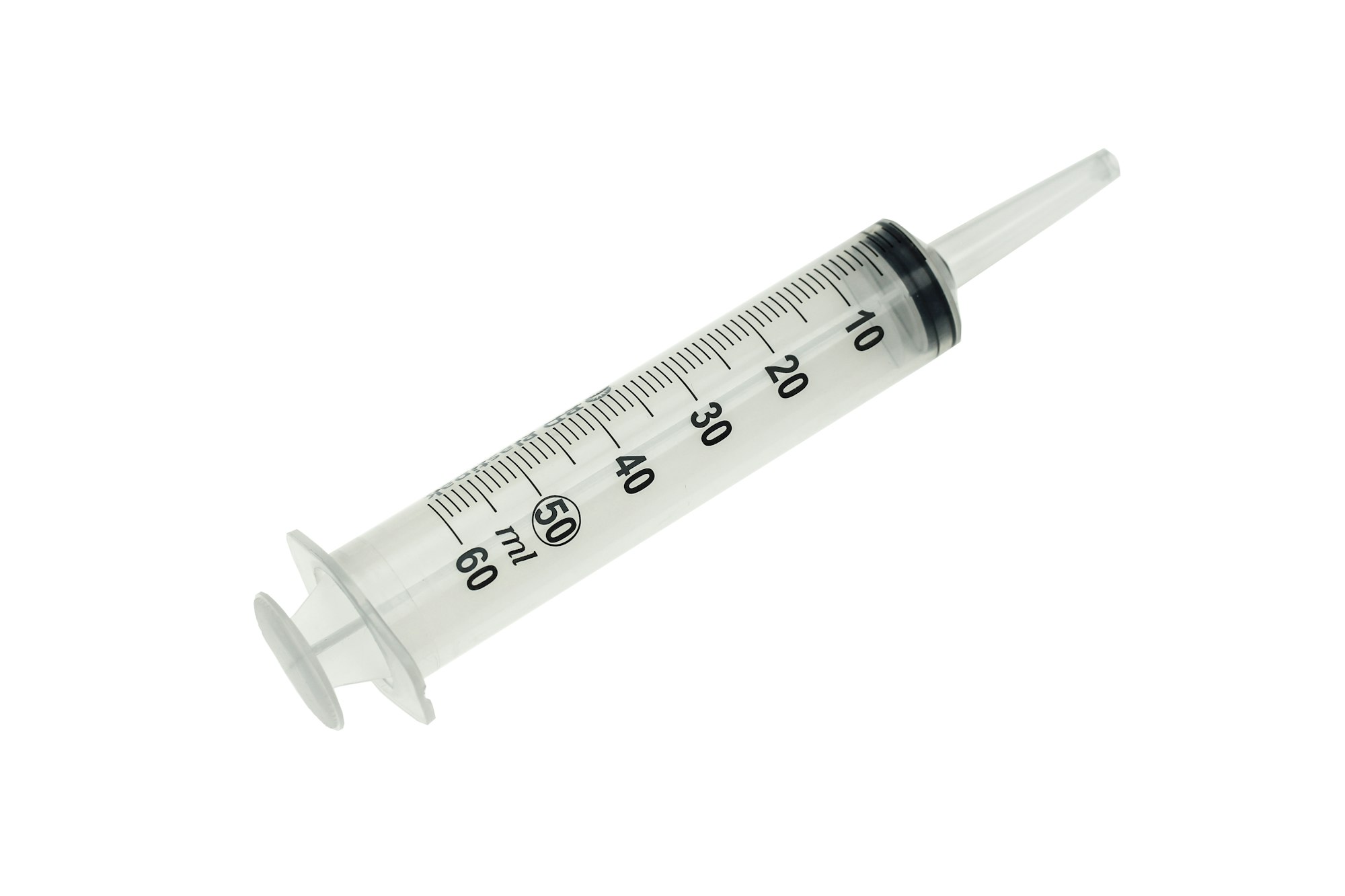
A disposable plastic medical syringe

Almost every disposable syringe used in a Gulf hospital begins, in a sense, in the Gulf. The polypropylene of its barrel, the PVC of an intravenous line and the polyethylene of a blood bag are all made from oil and gas. Much of that raw material leaves the region as crude or as plastic pellets, is moulded into medical consumables in China and elsewhere in Asia, and returns as finished goods, carrying the manufacturer’s margin, the freight and the insurance on the way back.

This year that round trip became very expensive. Brent crude peaked at $118.35 a barrel on 31 March, a month after shipping through the Strait of Hormuz was disrupted, according to market data compiled on the 2026 fuel crisis. It was still trading near $90 in mid-August, about 24% above its level before the conflict, Al Jazeera reported. Plastics followed oil. In India, one of the world’s large producers of medical disposables, device makers said plastic input costs for syringes, IV sets and catheters rose by nearly 50% within weeks in March, Business Today reported.

“We are paying for our own oil twice. We sell the raw material at a high price, we buy it back as syringes and IV sets, and on top of that we pay the freight and the insurance to bring it home. That model made sense when oil was cheap and the sea was calm. Neither is true today. The answer is to start producing here, and to start now.”

Khair Tamimi, Founder and Managing Director, KGG

A loop that runs through China

The Gulf is one of the world’s great sources of the plastics that medicine depends on. In April, Saudi Arabia and the UAE together supplied 23% of China’s polyethylene imports, making them its second- and third-largest suppliers after the US, according to ChemOrbis. In the same month China’s own polyethylene exports jumped to about 550,000 tons, up 479% from a year earlier, as its converters and traders sold into markets that Gulf cargoes could no longer reach easily.

For a hospital buyer in Riyadh or Abu Dhabi, the result is a bill with several layers. The price of the finished consumable already reflects the higher cost of the polymer. Freight comes on top, often on longer routes. Then there is insurance. War-risk premiums for ships in the Gulf, typically 0.1% to 0.15% of a vessel’s hull value before the conflict, reached about 2.5% for a seven-day period in early March and were still around 1% at the end of that month, S&P Global reported. Those costs travel down the chain to the price of a box of gloves.

The pressure is not limited to price. Indian manufacturers reported raw-material costs for syringes, catheters and disposable plastics up 40% to 50%, packaging up 15% to 25%, and warned that shortages became far more likely if disruption lasted beyond a few weeks, ThePrint reported. A region that imports most of its consumables sits at the end of that queue.

An old dependence

Import dependence in medical supplies is not new. Imports have long accounted for more than 90% of Saudi Arabia’s medical device market, according to the US International Trade Administration, and the rest of the Gulf follows a similar pattern. For years the arithmetic made sense. Asian factories had scale, oil was cheap and shipping lanes were predictable, so buying finished products was simpler than making them.

Dr. Talat Tamimi, an economist and co-founder of KGG who has spent his career studying market efficiency and comparative advantage, argues that 2026 exposed the flaw in that arithmetic. A region that owns the raw material, the energy and the buyers, he says, should not be exporting the value added.

“Economics does not reward whoever owns the resource. It rewards whoever turns it into a product closest to the market. When a region holds the feedstock, the energy and the demand, yet imports the finished goods, it gives away the added value and pays for transport twice. Every crisis makes that bill larger.”

Dr. Talat Tamimi, economist and KGG co-founder

The pieces are already here

Much of what local production needs already exists. In November 2025 Borouge, the Abu Dhabi polyolefins producer, launched the first medical-grade low-density polyethylene made in the UAE, produced at Ruwais for sterile pharmaceutical packaging such as ampoules and blow-fill-seal bottles. The UAE’s industrial strategy, Operation 300bn, aims to more than double the manufacturing sector’s contribution to the economy to AED 300 billion by 2031, and its Make it in the Emirates programme is designed to attract exactly this kind of investment. Saudi Arabia’s procurement rules increasingly reward local content in medical devices.

What is missing is the middle of the chain: the injection moulding, extrusion, clean-room assembly and sterilisation that turn medical-grade resin into syringes, IV sets, tubing, specimen containers and catheters, together with the regulatory registration each product needs before a hospital can buy it.

Where to start

The most practical starting point is the high-volume, lower-complexity consumables that hospitals use every day and that are most exposed to freight and insurance costs relative to their value. Local plants will not beat Asian factories on every line; labour costs and scale still favour the incumbents. But the calculation has changed. A product made close to its buyer carries no war-risk premium, no rerouting surcharge and far less inventory risk, and it keeps the added value in the region that supplied the raw material.

Kanan General Group, which supplies medical equipment and supplies to hospitals, clinics and distributors from Abu Dhabi, says it wants to move from importing consumables to producing them in the UAE with manufacturing partners, beginning with the lines where the case is strongest.

The oil shock of 2026 will fade. The lesson should not. A region that sells the raw material for the world’s medical plastics has every reason to make more of them itself.

Media enquiries and partnership requests

Contact Us

More news

All news

Quick request

en_USEnglish